
Exploring Art History Through Digital Art History Lessons
- 2 days ago
- 4 min read
If you’ve ever found yourself wandering through a museum, staring at a painting and wondering what’s the story behind this masterpiece? or why does this sculpture look so familiar? — then you’re in for a treat. Diving into art history can feel like unlocking a secret code to human creativity, culture, and faith. And guess what? You don’t have to travel far or carry heavy books to do it. Thanks to digital art history lessons, you can explore centuries of artistic brilliance right from your living room.
Let me take you on a journey through the world of art history, but with a modern twist. I’ll share how online courses can make this subject not only accessible but downright exciting. Whether you’re a parent looking to enrich your homeschooling curriculum or just someone curious about the stories behind the brushstrokes, this post is for you.
Why Digital Art History Lessons Are a Game-Changer
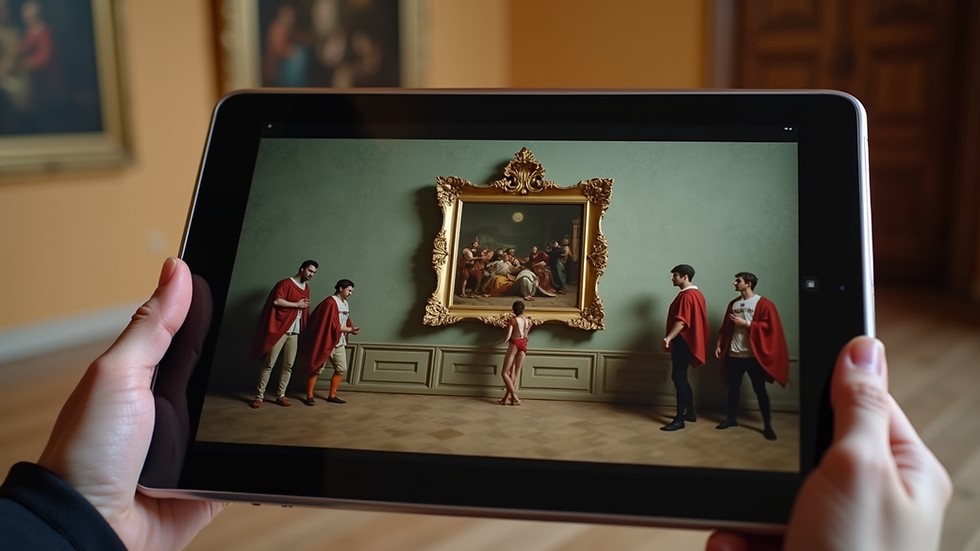
Remember the days when learning about art history meant flipping through dusty textbooks or sitting through endless lectures? Yeah, me too. But digital art history lessons have flipped the script. They bring the past to life with vibrant visuals, interactive timelines, and even virtual museum tours. It’s like having a personal guide who’s passionate about art and ready to answer your questions anytime.
Here’s why I think digital lessons are perfect for homeschooling families:
Flexibility: You can learn at your own pace, fitting lessons around your family’s schedule.
Engagement: Videos, quizzes, and interactive projects keep kids interested and involved.
Depth: Access to a wide range of topics, from Renaissance art to modern Christian iconography.
Accessibility: No need to travel to far-off museums; the world’s greatest art collections are just a click away.
Plus, many courses are designed with a Christian worldview in mind, which means you can explore art history while honoring your faith. It’s a beautiful way to see how God’s creativity has inspired artists through the ages.
How to Choose the Right Digital Art History Lessons for Your Family
With so many options out there, picking the perfect course can feel overwhelming. Here’s a quick checklist to help you find a program that fits your family’s needs:
Accreditation and Credibility: Look for courses offered by reputable institutions or educators with a background in art history and Christian education.
Age Appropriateness: Make sure the content matches your child’s grade level and learning style.
Interactive Elements: Choose lessons that include videos, quizzes, and hands-on projects to keep learning dynamic.
Faith Integration: If this matters to you, find courses that weave in Christian perspectives on art and history.
Community Support: Some programs offer forums or live sessions where students can ask questions and share insights.
For example, I found that courses with a mix of storytelling and practical assignments work best. Kids don’t just memorize facts; they create their own art inspired by historical styles, which deepens their understanding.
And if you want to get started right away, consider enrolling in an art history course online that balances academic rigor with spiritual growth.
What You’ll Actually Learn in Digital Art History Lessons
So, what’s inside these courses? Let me paint a picture for you. You’ll explore:
Ancient Art: From Egyptian hieroglyphs to Greek sculptures, discover how early civilizations expressed their beliefs and daily life.
Medieval and Renaissance Art: Dive into the rebirth of classical ideas and Christian themes, featuring artists like Michelangelo and Leonardo da Vinci.
Baroque to Romanticism: Experience the drama, emotion, and grandeur that defined these periods.
Modern and Contemporary Art: Understand how art evolved to reflect new ideas, technologies, and social changes.
Christian Art Through the Ages: Trace how biblical stories and Christian symbolism have inspired artists worldwide.
Each lesson often includes:
Historical Context: Why was this art created? What was happening in the world at the time?
Art Techniques: Learn about different mediums like fresco, oil painting, and sculpture.
Artist Biographies: Get to know the lives and motivations of famous artists.
Visual Analysis: Develop skills to interpret symbolism, composition, and style.
Creative Projects: Apply what you’ve learned by making your own art or writing reflections.
This approach makes art history feel less like a dry subject and more like an adventure through time and culture.

Tips for Making the Most of Your Online Art History Experience
Taking digital art history lessons is fantastic, but here are some insider tips to help you get the most out of them:
Set a Schedule: Consistency helps. Even 20-30 minutes a day can build momentum.
Create a Dedicated Space: A cozy nook with art supplies and a computer can make learning feel special.
Encourage Discussion: Talk about what you’re learning as a family. Ask questions like, “What do you think this painting is trying to say?”
Combine with Field Trips: When possible, visit local museums or galleries to see art in person.
Use Supplementary Resources: Books, documentaries, and podcasts can deepen understanding.
Celebrate Creativity: Showcase your child’s artwork inspired by lessons. It boosts confidence and makes learning tangible.
Remember, the goal isn’t just to memorize dates and names but to cultivate a love for art and an appreciation for God’s creativity reflected in human expression.
Bringing Art History to Life in Your Homeschool
One of the best parts about digital art history lessons is how easy it is to tailor them to your family’s unique rhythm. You can pause, rewind, or skip ahead depending on interest and comprehension. Plus, you can integrate art history with other subjects like literature, history, and even Bible study.
Here’s a simple weekly plan to get started:
Monday: Watch a video lesson on a specific art period or artist.
Tuesday: Discuss the lesson and explore related Bible verses or stories.
Wednesday: Try a hands-on art project inspired by the lesson.
Thursday: Read a short biography or historical account.
Friday: Review with a quiz or family discussion.
This routine keeps learning fresh and balanced, blending academic content with spiritual reflection and creativity.
And if you’re looking for a structured, faith-based program that offers this kind of flexibility and depth, check out MorningStar Academy’s offerings. They’re designed to help students thrive academically and spiritually, all while honoring God’s creative design.
Exploring art history through digital art history lessons isn’t just about learning facts. It’s about connecting with the stories, faith, and creativity that have shaped our world. So why not start today? Dive into an art history course online, and watch how your family’s appreciation for art—and God’s handiwork—grows with every lesson.


Comments